Carolina Weight Loss & Aesthetics
More than a prescription. A personalized plan, weekly check-ins, and a team that has cared for neighbors across two states for more than fifteen years.
Our weight loss services
A complete, medically supervised program built around you. Explore each part of what we offer.
The Program
Your personalized plan, weekly weigh-ins, and the accountability to reach your goals.
Nutrition and Meal Plans
Custom nutrition built around your life, not a generic diet.

Injections
Including Semaglutide, Tirzepatide, B12, and Megaburn, prescribed and supervised.

Body Composition Analysis
Our "magic scales" show what your weight is really made of.
Appetite Suppressants
Prescription options that help control hunger and cravings, matched to you.
Body Contouring
Non-invasive shaping with UltraShape Power and VelaShape.
Book an Appointment
OUR PROVIDERS
The team behind your care
Weight loss works better with people who know your name. Our providers and nurses see you every week, track your progress, and adjust your plan as you go. Meet a few of the faces behind the practice.
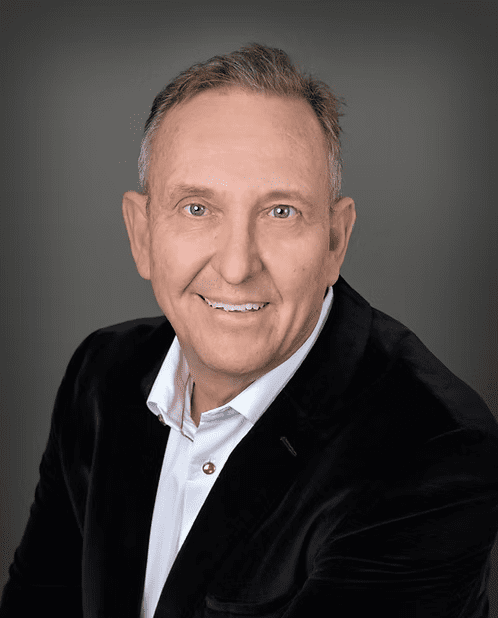
Mark Dubinski, MD
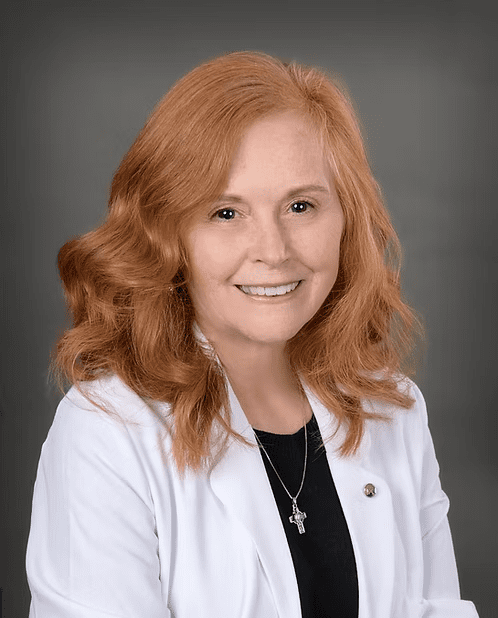
Diane Varnadore, NP-C
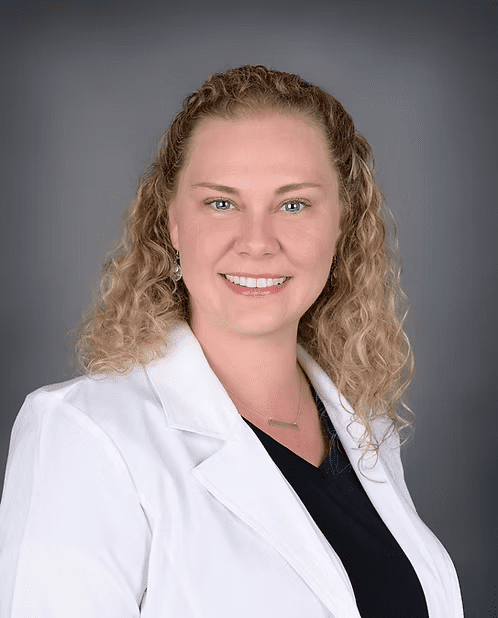
Nicole Lewis, NP-C
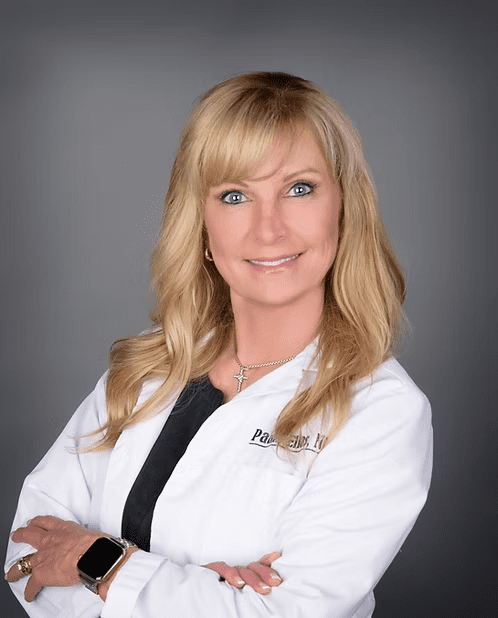
Paula Elias, NP-C
More than a prescription.
A plan.
Carolina Weight Loss and Aesthetics has helped neighbors across North Carolina and Virginia lose weight and keep it off since 2010. Founded by Dr. Mark Dubinski and Diane Varnadore, NP-C, the practice was built on real medical supervision, not pills handed across a counter.
Today we care for patients at twelve locations, each running on the same foundation: a personalized plan, weekly check-ins with a provider who knows you, and the support to actually reach your goals.
The kind of care you can't get from a telehealth screen.
AESTHETICS
Aesthetics, now at Rocky Mount
Beyond weight loss, our aesthetics services help you look as good as you feel. Now launching at our Rocky Mount location.
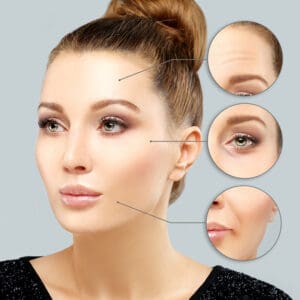
Botox
Soften fine lines and wrinkles with treatments from our trained providers.
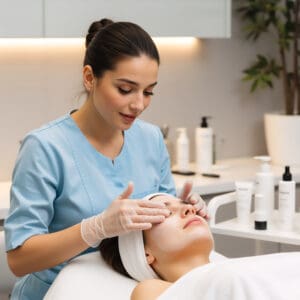
Facials
Refresh and renew your skin with professional facial treatments.

IV Hydration
Replenish fluids, vitamins, and nutrients for energy and recovery.
FOR PATIENTS
Everything you need to get started
From your first visit to ongoing care, here is how to begin.
New Patient Visit
What to expect and what to bring to your first appointment.
Pricing
Clear, upfront pricing with no insurance runaround.
FAQs
Answers to the questions patients ask most.
Patient Portal
Coming Soon
Questions? Give us a call at 252-430-4375
RESULTS
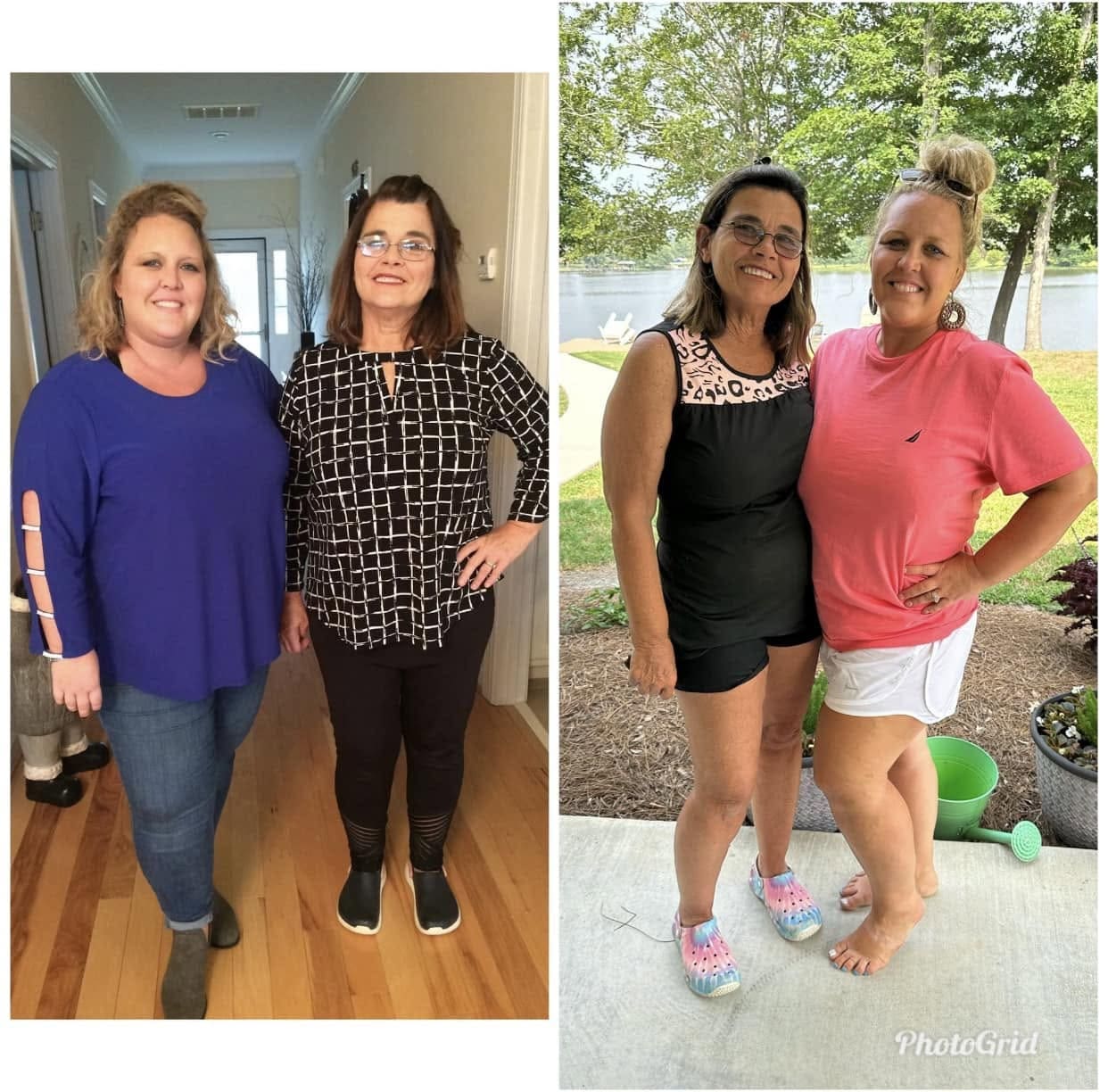
Real people, real results
The proof is in our patients. See the stories in their own words, the before-and-after transformations, and what people across our communities are saying.
RECOGNIZED BY OUR COMMUNITIES
Voted among the best, year after year
Rocky Mount Telegram · Best of the Twin Counties, 2018–2024
Warren Record · Readers' Choice, 2024
The News & Observer · Raleigh's Best, 2022 & 2023
Butner-Creedmoor News · Best of Granville, 2023